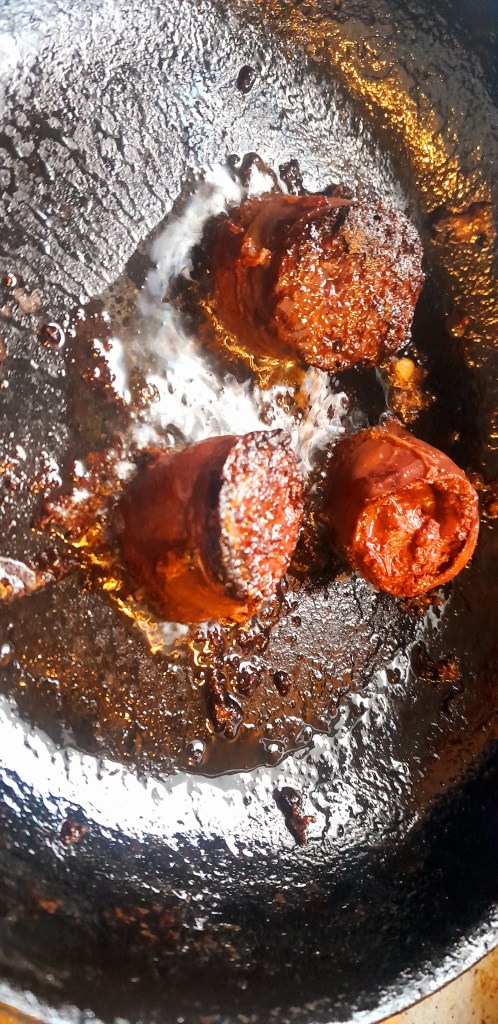
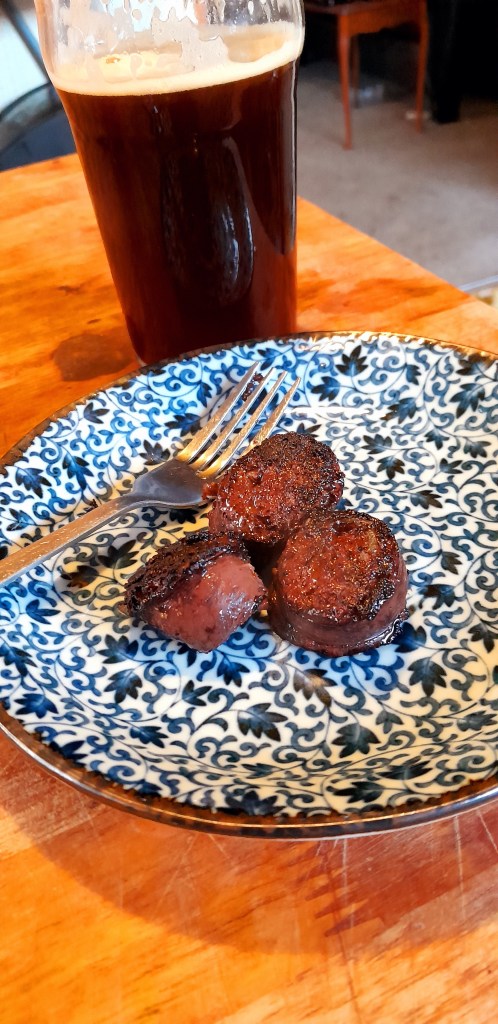
So, I have fulfilled a long-time goal. I first watched River Cottage in the 90’s back when there were 3 or 4 TV channels and the modern generation of celebrity cookery was just starting to pick up steam in the wake of Keith Floyd’s hangover. My late aunty Ann alerted me to Hugh Fearnly Whittingstal. It is a tragedy that by the time I entered the food world working at Moore Wilsons cancer was taking her away. After my paternal grandfather, who slipped from the world earlier that decade, Ann was probably my most ‘foodie’ relative.
Hugh’s world of west country pastoral gothic, of witches divining yule logs, of game keepers, and village pubs, of culling pigeons in the grounds of the manor house, of culinary indulgence but also of holistic nose to tail thrift was incredibly addictive. In truth to me it still is.
In that first series Hugh makes black pudding with the blood of his first two slaughtered pigs. Now I can’t claim to have been taken with the boudin noir since the late 90’s. In fact, at that time I was sliding into some years of vegetarianism. Hard to believe now. But later once I had decided that the best way to honour the life of an animal was to bloody well use it all, blood and all, I was very taken with it.
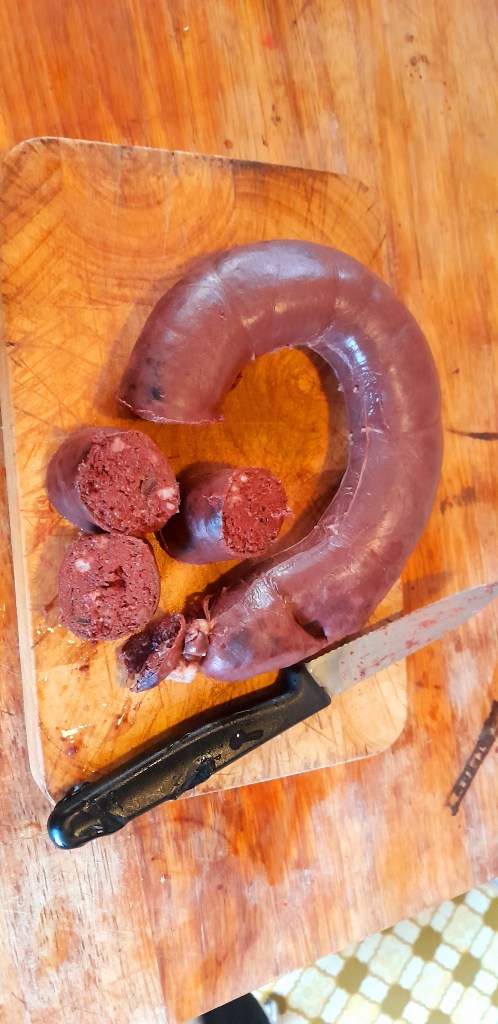
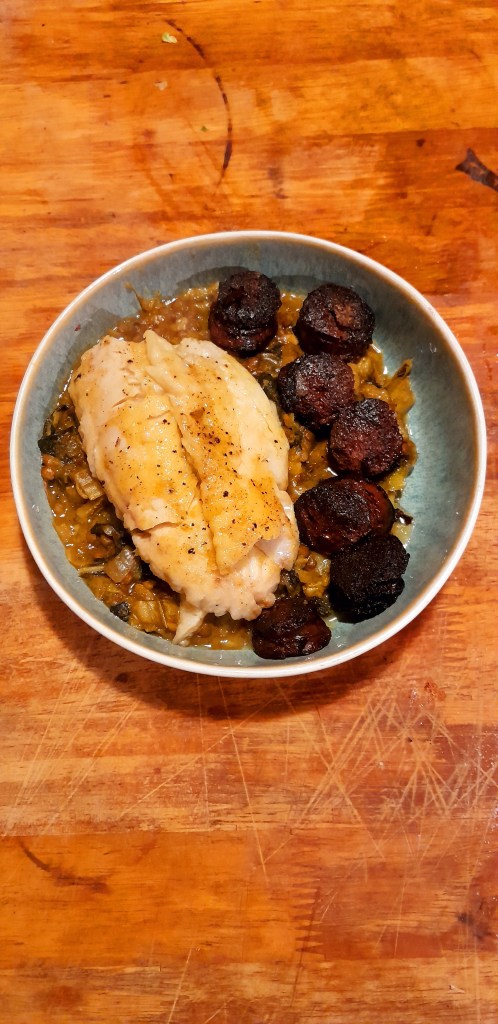
What followed was year’s of wanting to make black pudding. I grew to love eating it. For breakfast, yes, but also with fish for a main, or with a little fried apple for a light lunch, in sandwiches or as a forcemeat ingredient in a scotch egg. Now not all black pudding’s are created equal. In my view a black pudding should have a very generous addition of grain. Oats and bread crumbs bring it structure and substance. There are a number of black puddings available in NZ that proudly boast “no filler” and they are to my taste profoundly wrong. Blood pate in a skin is the result and eating them is significantly more ghoulish than black pudding should actually be. Like haggis it is the interplay between the rich and savoury remains of the beast and the sustaining wholesome pearls from the grass which make this food work.
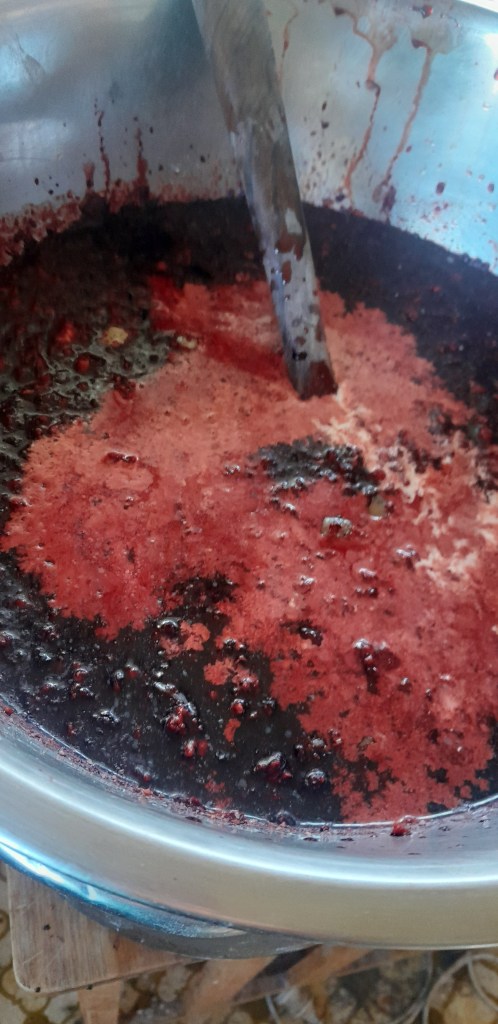
Blood is not easy to find here in NZ. Many butchers make their black pudding from dehydrated blood powder. However, even this seems to be absent from any retail avenues for the home sausage maker. Then recently I finally found a source. Not of the processed blood powder but of actual blood from a Korean BBQ butcher in Auckland. The blood was purchased and shipped out frozen in two 1 litre tubs. We were on, let the horror show commence.
Recipe adapted from the River Cottage recipe. More spices, more grains and a little more umami with the oxo cubes and stock.
Ingredients
2L blood
500ml cream
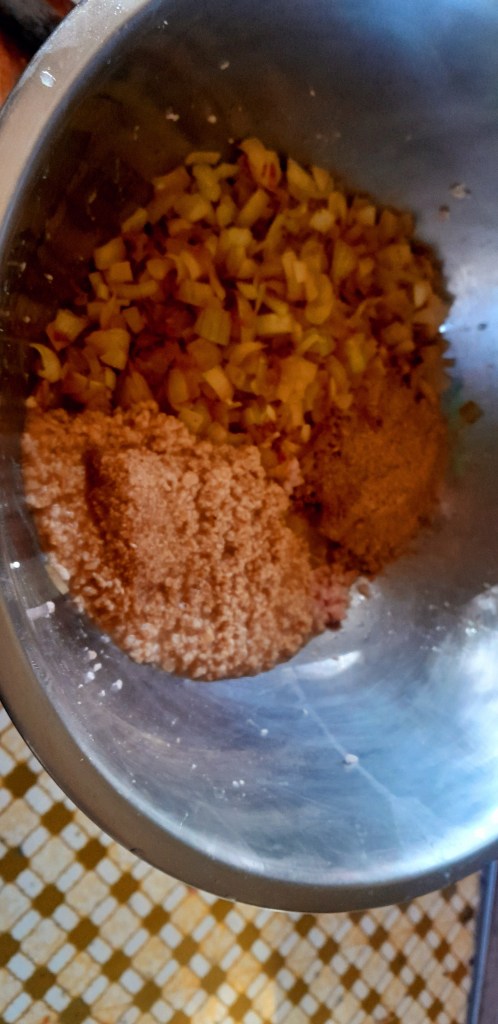
2tblsn of each white pepper, black pepper, cumin, coriander.
3tblsn of each onion powder, garlic powder.
1tblsn of each mace, ginger
4tbspn salt
4 beef oxo cubes
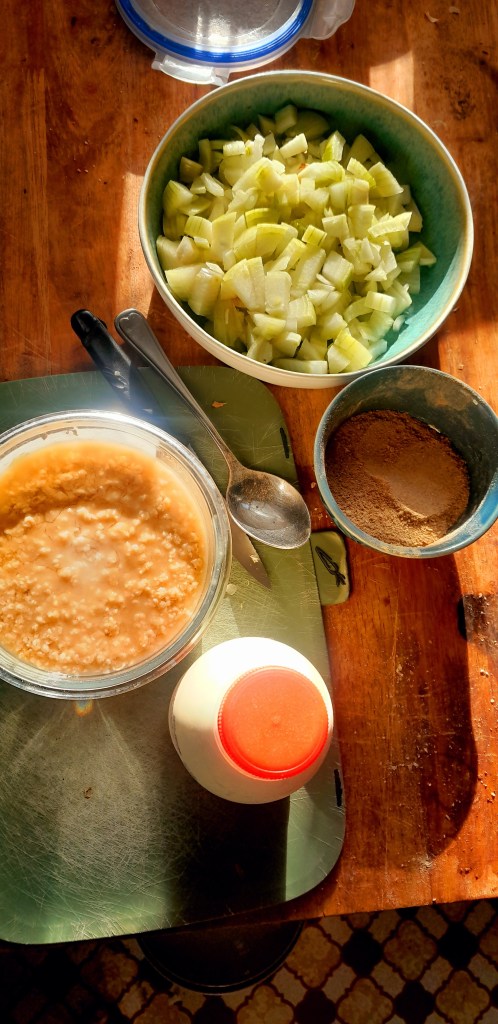
250g onions sautéed
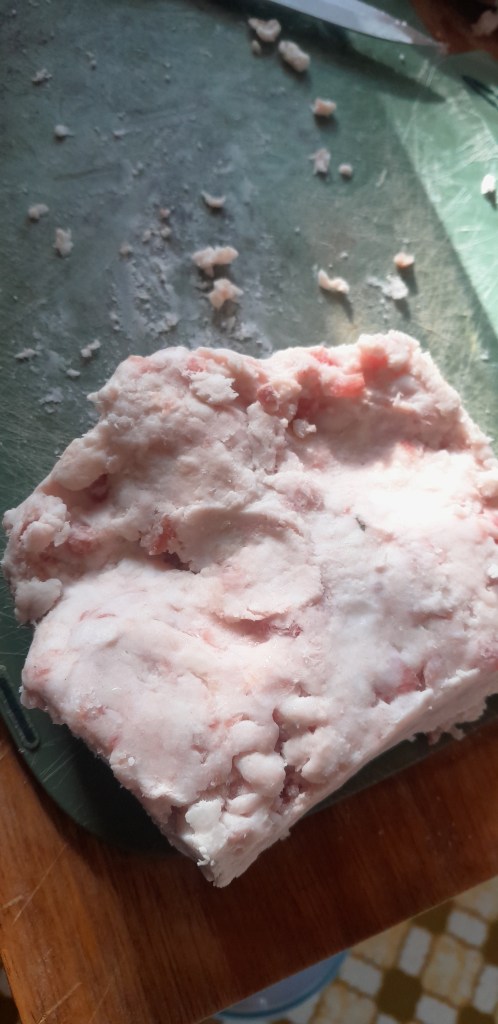
500g pork fat blanched briefly in water from a boiled kettle
12tblsn oats soaked in lamb stock/oxo overnight.
A couple of handfuls of panko bread crumbs
soaked sausage skins, I used a mixture of standard pig casings and beef bungs for large puddings.
Sieve the pig’s blood into a large container to remove any clots.
Add the blanched back fat and fried onions to the blood, mixing well.
Stir in the oatmeal, bread crumbs, oxo cubes, allium powders, peppers, salt, mixed spices, and cream. Ensure all ingredients are thoroughly combined before filling the casings.
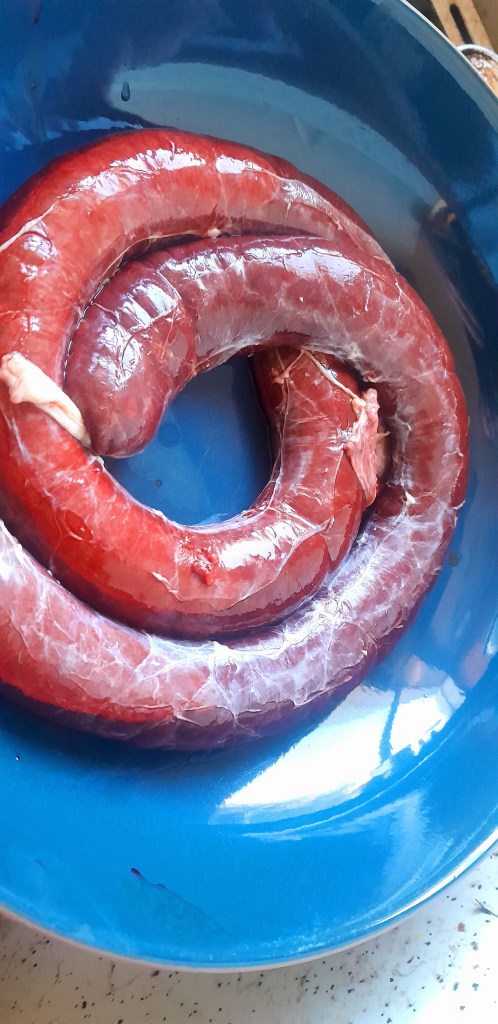
Tie a knot at one end of a casing, leaving a long length of string as a “tail.” Pull the other end over the nozzle of your funnel. Using a ladle, carefully pour the mixture into the funnel. This can get messy, so perform the entire operation over a tray to catch any overflow. Be sure not to overfill the casing, as the pudding will expand during cooking. Leave 5-7 cm of space at the top.
If the funnel becomes clogged, use a chopstick or a similar tool to clear any blockage.
Take the tail of the string and tie a second knot at the other end of the casing, forming a U-shaped pudding. Complete filling the remaining casings.
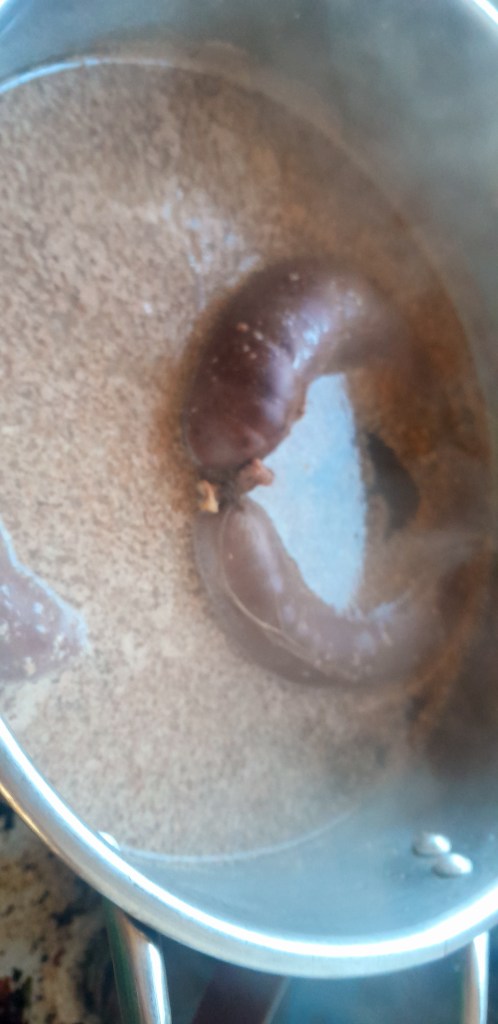
In a large pan, bring two-thirds full of unsalted water to a boil, then reduce the heat to a gentle simmer. Add each pudding to the water.
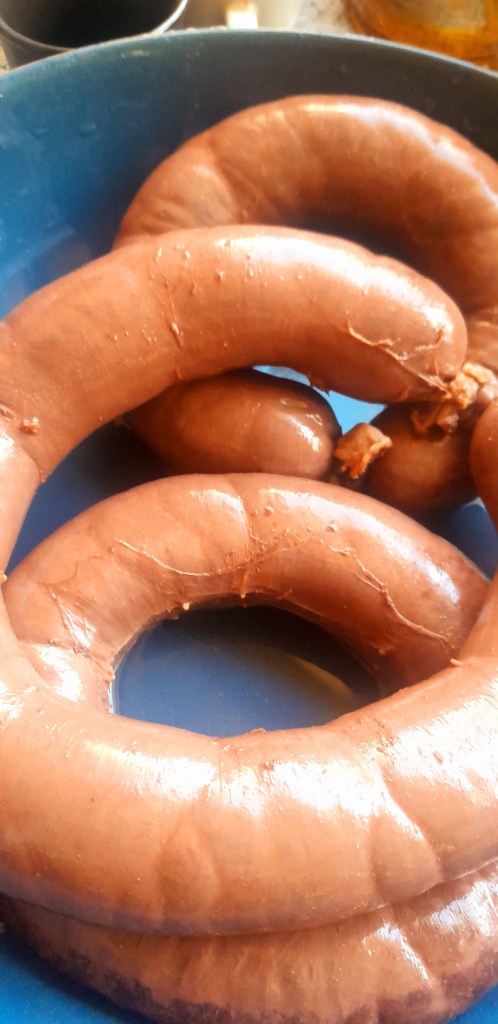
Prick each pudding occasionally with a needle. If a brown liquid emerges, the pudding is done. This process should take about 20 minutes. Allow the pudding to cool before slicing and serving.